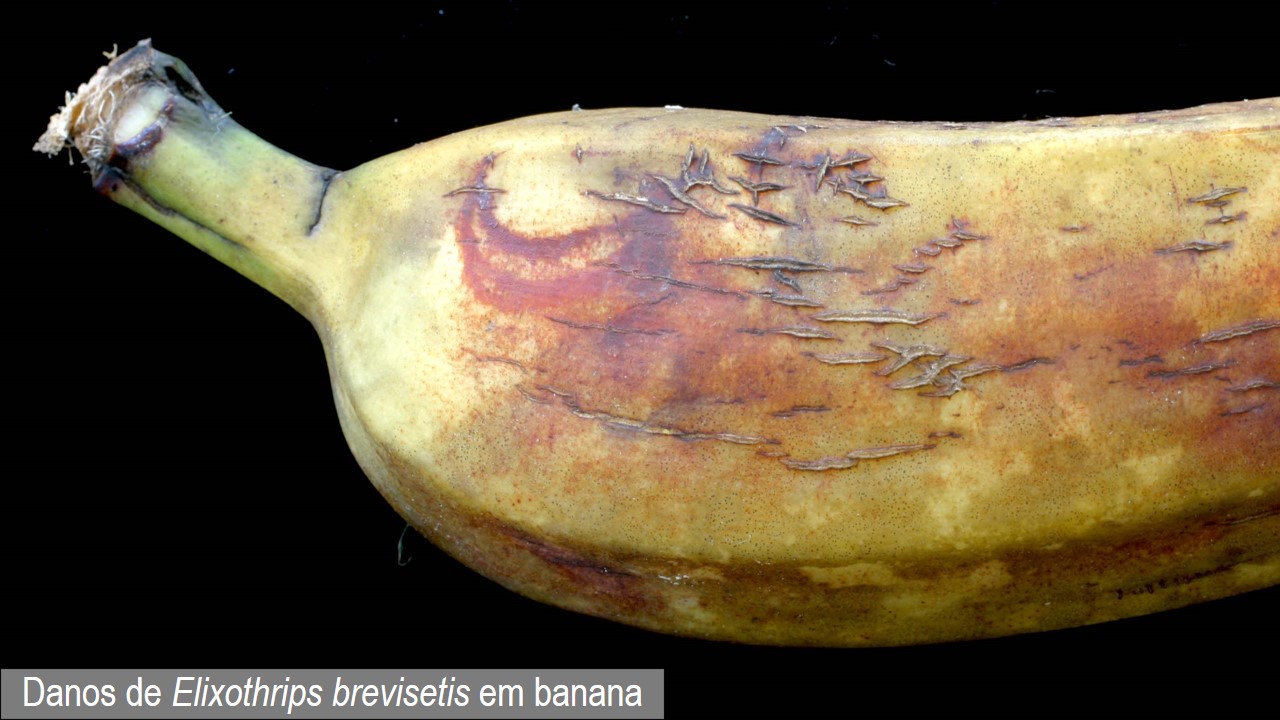
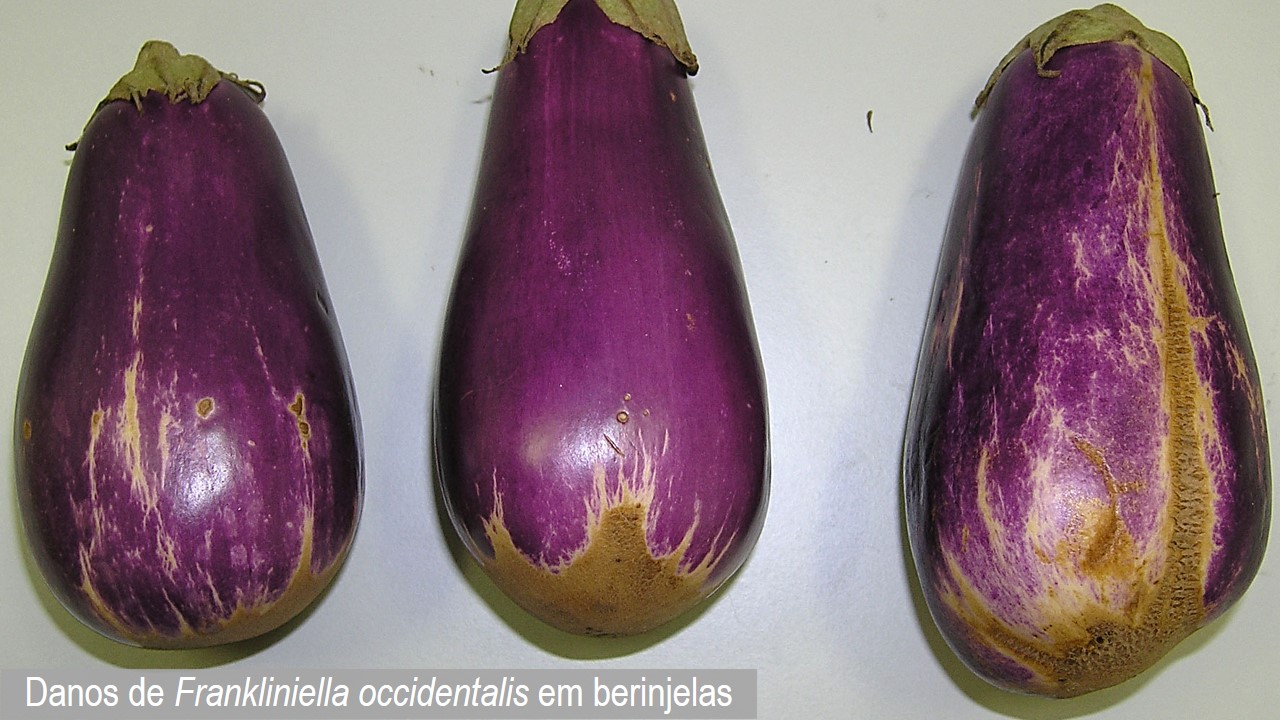
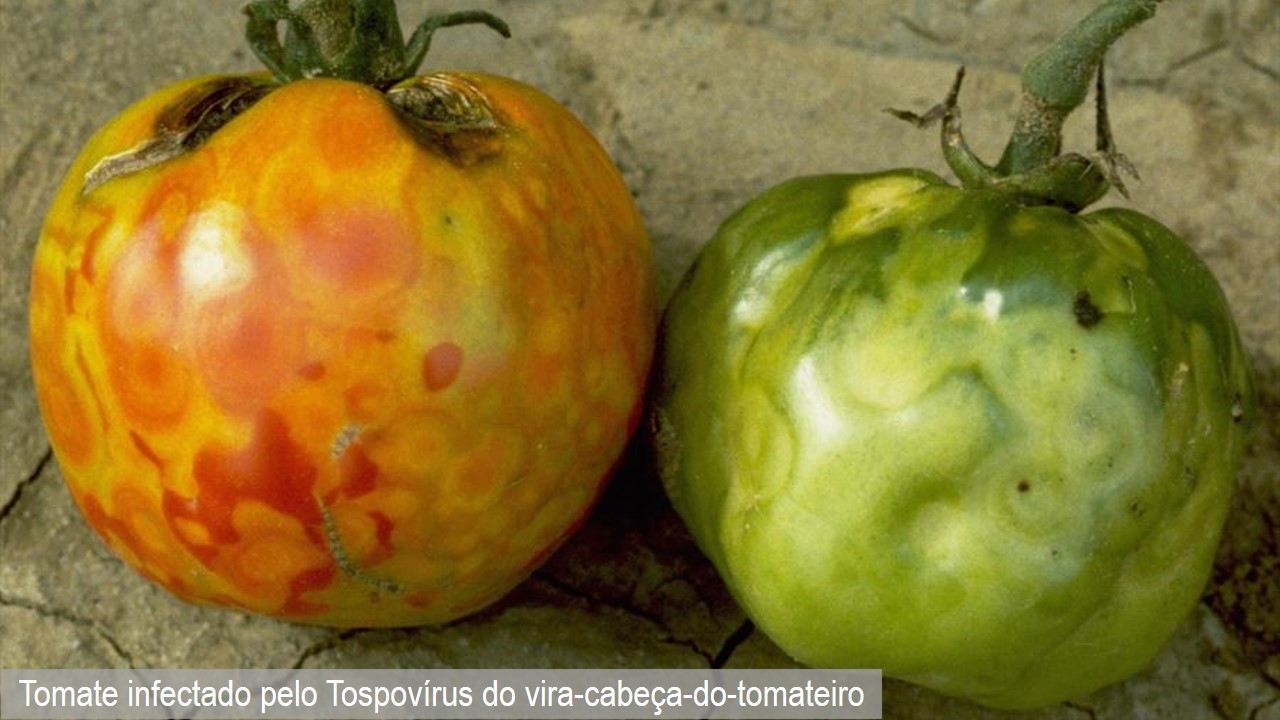
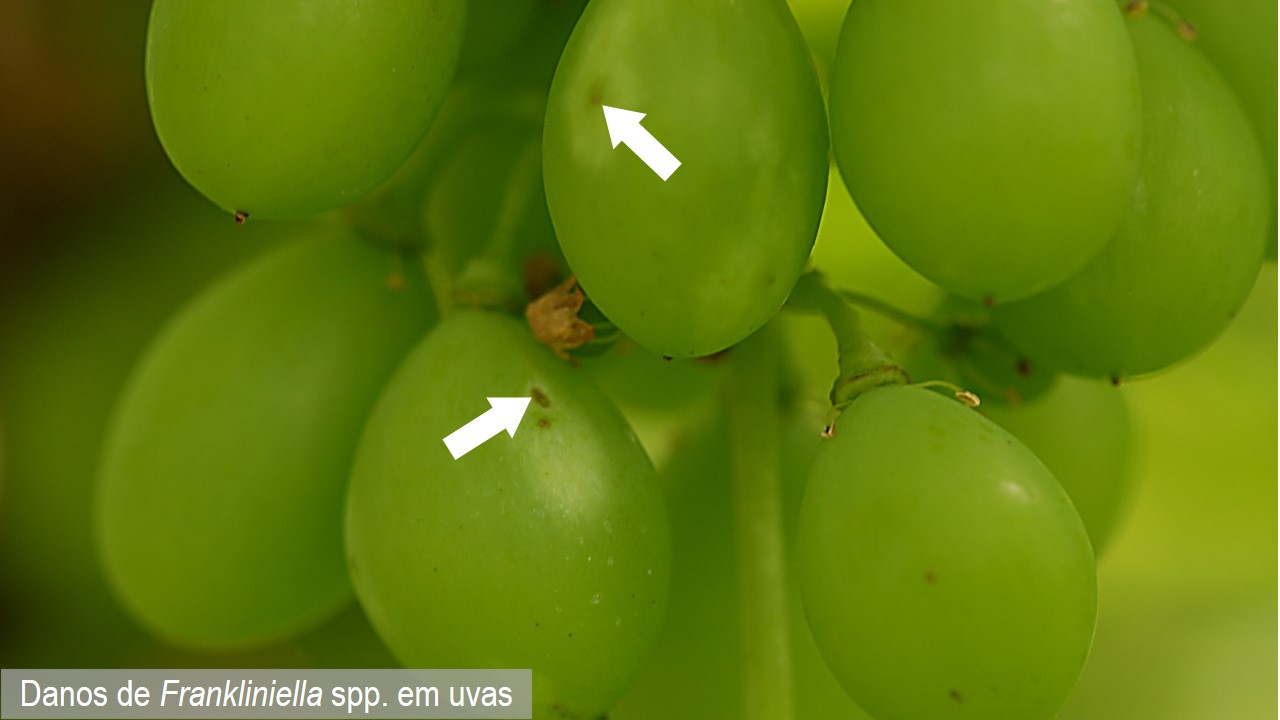
Around 1% of all Thysanoptera species, mostly from family Thripidae, are considered pests in a variety of cultivated plants (Lewis 1973, Mound & Teulon 1995, Mound & Marullo 1996). Thrips cause direct damage, destroying the plant tissues by sucking the plant fluids, and indirect damage by facilitating the entry into the plant of pathogens such as fungi, bacteria and viruses (Bournier 1970). Certain thysanopteran species, particularly members of the genera Frankliniella, Thrips and Scirtothrips, are vectors of viruses from genus Tospovirus, which frequently cause major agricultural loses (Mound & Marullo 1996, Mound & Kibby 1998; Oliver & Whitfield 2016).
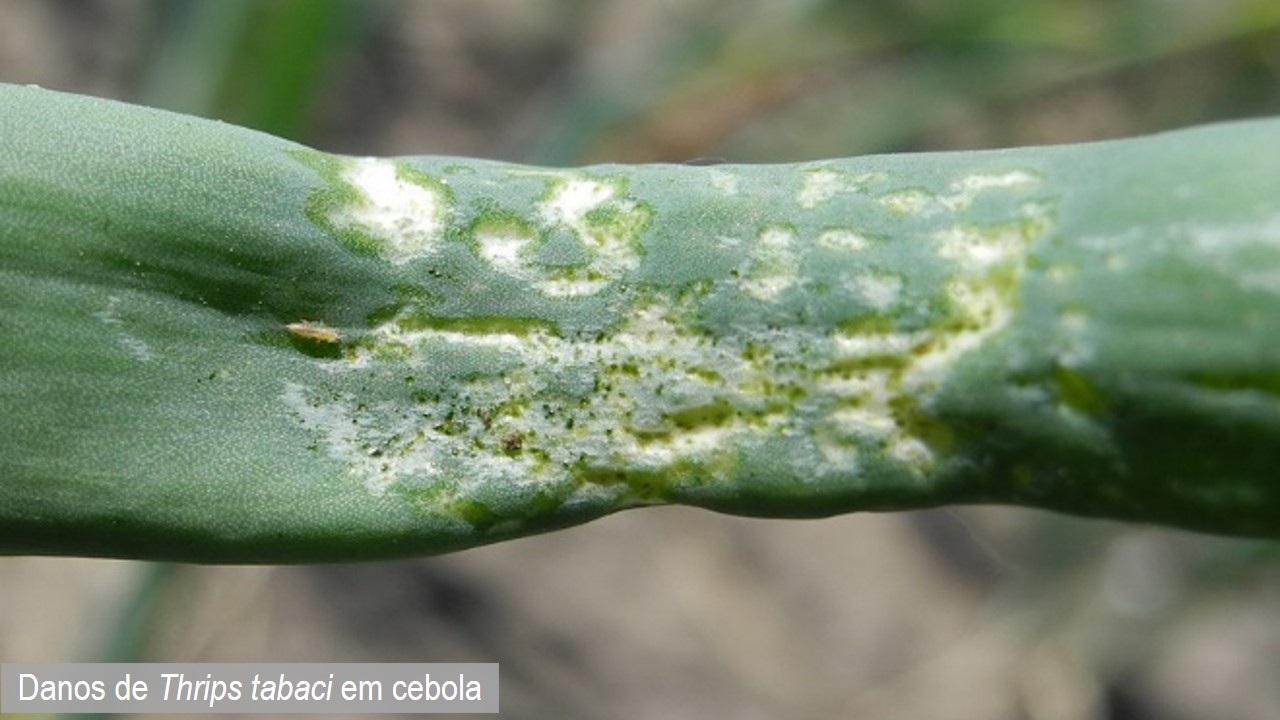
Among the cultivated crops damaged by thrips in Brazil, we can highlight: peanut, cotton, onion, tomato, citrus, among others (Buzzi & Miyazaki 1999). Gallo et al. (2002) indicate Thrips tabaci Lindeman as the main pest on onion crops (Allium cepa). In peanut crops (Arachis hypogaea) Enneothrips flavens (Moulton) is the key pest, with the whole management program focusing on controlling this thrips (Lima 1997).
The control of thrips in different crops has been a challenge for agricultural producers, and the usage of integrated management strategies is recommended. Monitoring the thrips populations is the first step for effective control, and this is most easily performed by beating leaves and/or flowers over a white surface (paper or a plastic trail). Correct identification of the species causing the damage is essential, keeping in mind that, especially during blooming period, several thrips species may feed on the same plant at the same time. The most used tools for thrips control are still chemicals, and the main insecticides used against these insects in Brazil are formetanate hydrochloride, spinosad, pyrethroids and neonicotinoids. There are several concerns when applying a management strategy based on insecticide usage, especially when thrips occur during plant flowering, due to the possible side effect of these products on pollinators. Since most of the insecticides used for thrips control have broad spectrum (are weakly selective), it is common to observe side effects over natural enemies (predatory mites, ladybugs, lacewings etc.), resulting in the occurrence of secondary pests such as phytophagous mites.
Some highlighted alternatives to chemical control are:
a) Manage the host plants located within and/or on the borders of the plantation area, so that the thrips life cycle does not coincide with the periods of high susceptibility of the crop, thus avoiding high infestation during critical phases;
b) Employ blue and yellow adhesive traps;
c) Applied biological control, with the usage of predators like Orius and/or fungi that are pathogenic to insects;
d) Usage of thin cloths to block thrips from entering protected crops.
Attendance
Brasil, Rio Grande do Sul, Rio Grande
Campus Carreiros: Av. Itália km 8
Bairro Carreiros
Thysanoptera © Todos Direitos Reservados 2026